
Adversary in the Middle Attacks Explained: How Hackers Bypass MFA
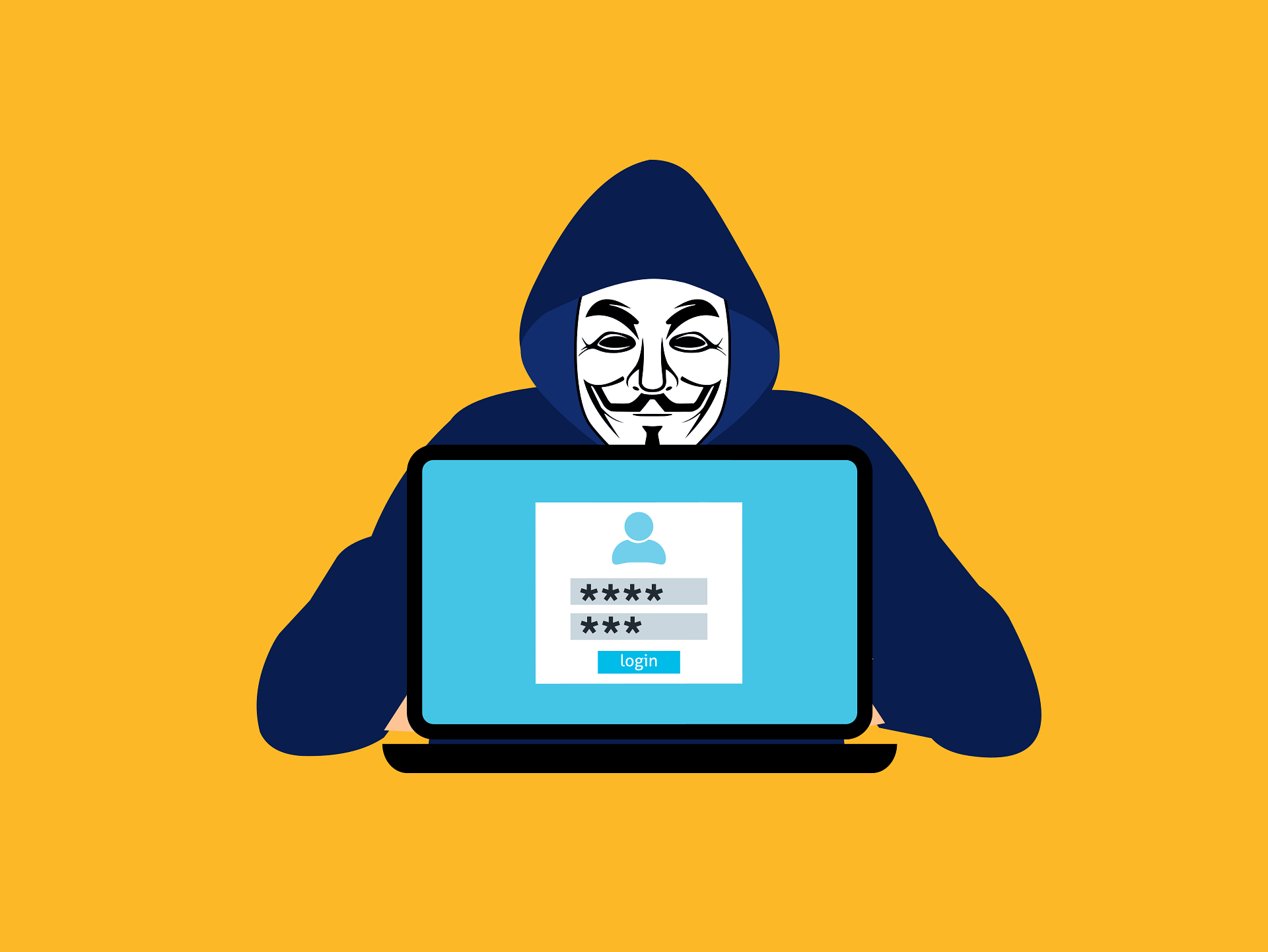
You click a link, log in to your account, approve a multi-factor authentication request, and continue your work. Everything appears normal.
At the same time, an attacker may already be inside your account.
This is how Adversary in the Middle (AiTM) attacks work. Instead of stealing passwords, attackers capture active login sessions in real time. For businesses relying on cloud services such as Microsoft 365 or Google Workspace, this poses a serious cybersecurity risk that traditional defenses may fail to detect.
Multi-factor authentication remains a critical security control. However, AiTM attacks target what happens after authentication, which requires a more advanced approach to identity security and managed IT protection.
Phishing Has Evolved Beyond Password Theft
Phishing continues to be one of the leading causes of data breaches, but the goal has shifted.
Traditional phishing attacks focused on collecting usernames and passwords. Modern attackers are targeting authenticated sessions, which provide immediate access without needing to bypass login controls.
Today, cybercriminals use phishing as a service platform to launch sophisticated campaigns that intercept login activity as it happens. These attacks are designed to bypass basic security measures and exploit trusted sessions in cloud environments.
For organizations using cloud applications, this shift makes visibility and control over user sessions just as important as protecting login credentials.
How AiTM Attacks Work
A Real-Time Proxy Attack
AiTM phishing pages are not simple copies of login screens. They act as live proxy servers positioned between the user and the legitimate application.
When a user enters credentials, the information is passed to the real service through the attacker’s infrastructure. The login process completes normally, including multi-factor authentication, while the attacker captures the session data.
Because the experience looks legitimate, users often do not realize anything is wrong.
Why MFA Alone Is Not Enough
Multi-factor authentication protects the login event, but it does not protect the subsequent session.
After a successful login, the application issues a session token. This token confirms the user is authenticated and allows continued access without repeated login prompts.
AiTM attacks capture this session token and reuse it. Once stolen, the attacker can access the account without needing a password or additional authentication.
This technique explains why many modern cyberattacks succeed even in environments where MFA is enabled.
What Happens After Session Hijacking
Once attackers gain access to a valid session, they operate quietly within the account.
Common post-compromise activity includes:
Creating inbox rules to hide or redirect emails
Registering new authentication methods to maintain access
Monitoring communications for financial transactions
Launching internal phishing attacks from a trusted account
Because the activity occurs within a legitimate session, it often avoids detection by standard security tools.
This is why AiTM attacks can lead to financial fraud, data loss, and broader network compromise before they are discovered.
How to Reduce AiTM Risk
Reducing exposure to AiTM attacks requires a layered cybersecurity strategy that extends beyond basic authentication.
Use Phishing-Resistant Authentication
Implement advanced authentication methods such as passkeys or hardware security keys. These technologies bind login attempts to trusted devices and legitimate domains, making them resistant to interception.
Strengthen Conditional Access Controls
Apply conditional access policies that evaluate risk after login. Monitor for unusual behavior such as new device registrations, unexpected locations, or abnormal data access patterns.
Monitor Session Activity
Focus on detecting suspicious actions within active sessions. Endpoint detection and response tools and managed IT monitoring services can help identify unusual behavior early.
Train Employees to Spot Subtle Threats
User awareness remains important. Employees should be trained to recognize suspicious URLs and understand that a working login page does not always mean it is safe.
Work with a Managed IT and Cybersecurity Partner
Managed IT services providers can help implement advanced identity protection, monitor cloud environments, and respond quickly to potential threats.
Move Beyond Login Protection
Multi-factor authentication is an essential baseline, but it is not enough on its own.
Organizations that effectively reduce AiTM risk focus on the full identity lifecycle, including authentication, session management, and continuous monitoring.
By combining strong cybersecurity practices with cloud security solutions and managed IT services, businesses can better protect sensitive data and reduce the risk of account compromise.
If you would like help evaluating your current cybersecurity posture or strengthening your identity and cloud security strategy, Hoop5 is here to help.
For more tips and tech info, follow us on LinkedIn and Instagram.
Inspired by insights from The Technology Press.